


In her Academy 2026 presentation, titled “Tiny Eyes, Big Challenges: Managing Pediatric Ocular Disease,” Nidhi Rana, MS, OD, FAAO, revealed how seemingly routine pediatric findings can signal a need to broaden the differential or change management. During the presentation, Dr. Rana detailed a series of case that covered capillary hemangioma, Coats disease, retinoblastoma, myasthenia gravis, and more.
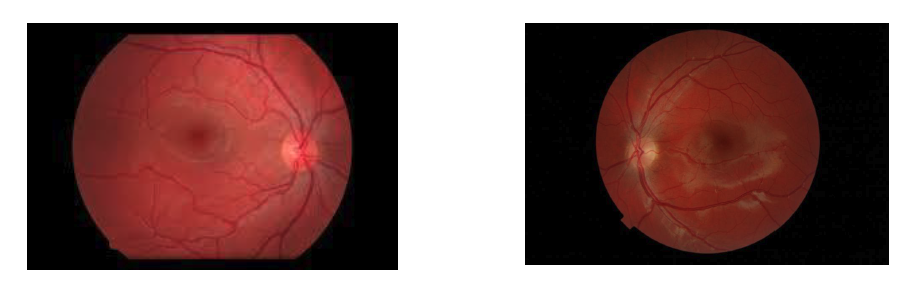
In one case report, a 5.5-year-old girl referred for decreased vision in her left eye initially appeared to have a relatively familiar pediatric problem: anisometropic amblyopia. Visual acuity was 20/20 OD and 20/400 OS, with cycloplegic refraction of +1.25 D OD and +2.75 D OS. There was no afferent pupillary defect, and the differential included anisometropic amblyopia and microtropia. Initial management included spectacle correction and patching of the right eye for 3 to 4 hours daily.
At the patient’s 6-week follow-up, however, visual acuity in the left eye had improved only to 20/200. This case illustrates an important clinical question: At what point should unexpectedly poor vision or inadequate response to amblyopia treatment prompt investigation for underlying pathology?
Dr. Rana emphasized that amblyopia may be present but that doesn’t necessarily explain the full extent of a child’s vision loss. When visual acuity is disproportionately poor or fails to improve as expected, clinicians may need to reconsider the diagnosis and determine whether additional evaluation, including imaging, is warranted. OM