


A new study from Orbis International, published in the Bulletin of the World Health Organization, found that by combining a free smartphone app focused on quality improvement with a "micro-investment" of $2,500, 11 hospitals in Ethiopia nearly doubled their cataract surgery success rates, increasing the share of patients with good vision after surgery from 32.2% to 56% within months—a significant step toward the WHO's global benchmark of 80%, the global eyecare nonprofit said in a press release.
According to Orbis International, the BOOST Africa Study lays out a "blueprint for sight" that challenges conventional approaches in international development, showing how small, data-driven surgical fixes can be more effective than large infrastructure investments.
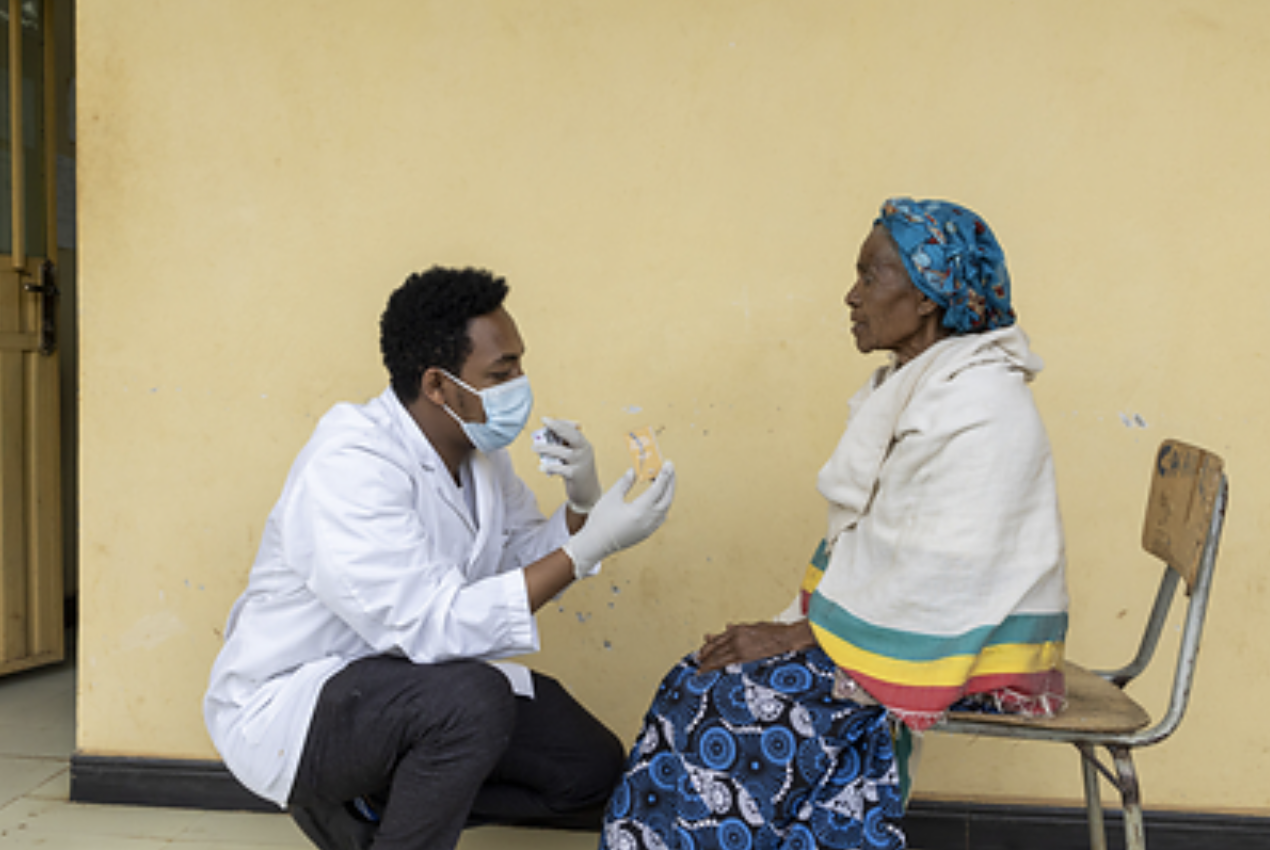
The study used the Better Operative Outcome Software Tool (BOOST), a free app that allows surgeons to track their surgical outcomes in real time. The data showed a significant trend: the primary cause of poor vision after surgery wasn't the surgeon's lack of skill, but undetected comorbidities like glaucoma or retinal disease.
"The app gave our partners in Ethiopia a mirror to see their own performance," said Noelle Whitestone, co-author and Orbis International researcher, in the press release. "We discovered that frequently it wasn't the surgery failing; it was the screening. By providing just $2,500 per facility, hospitals were able to purchase specific diagnostic tools, such as indirect ophthalmoscopes, needed to identify the right patients for surgery. This result underscores that change doesn't always require advanced technology—sometimes basic tools and skills are enough."
The study also provides a look at the logistical "last mile" of global health. While Ethiopia saw rapid success, 5 partner hospitals in Zambia faced significant delays due to procurement and supply chain hurdles.
"Our work in Zambia shows that data is a powerful diagnostic tool for a surgical team, but its value is realized only when the infrastructure supports them," said Whitestone. "When a surgeon identifies a specific need through the app, we must ensure they have the administrative and financial backing to secure the necessary equipment and training. This study confirms that for digital health to be effective, it must be paired with funding that responds to the surgeon's own findings."
Orbis International noted that as the world strives to meet the WHO 2030 targets for eye care, the BOOST Africa Study offers a cost-effective, high-tech roadmap. By using e-health tools to standardize quality, even the most remote clinics can achieve high-level results. The BOOST app empowers surgeons to track their own results over time, compare outcomes with peers globally, and identify areas for improvement in a supportive, non‑threatening, data‑driven environment. By translating performance data into practical, actionable feedback, the platform opens new opportunities for skills exchange, continuous learning, and sustained improvements in surgical quality, Orbis International concluded. OM